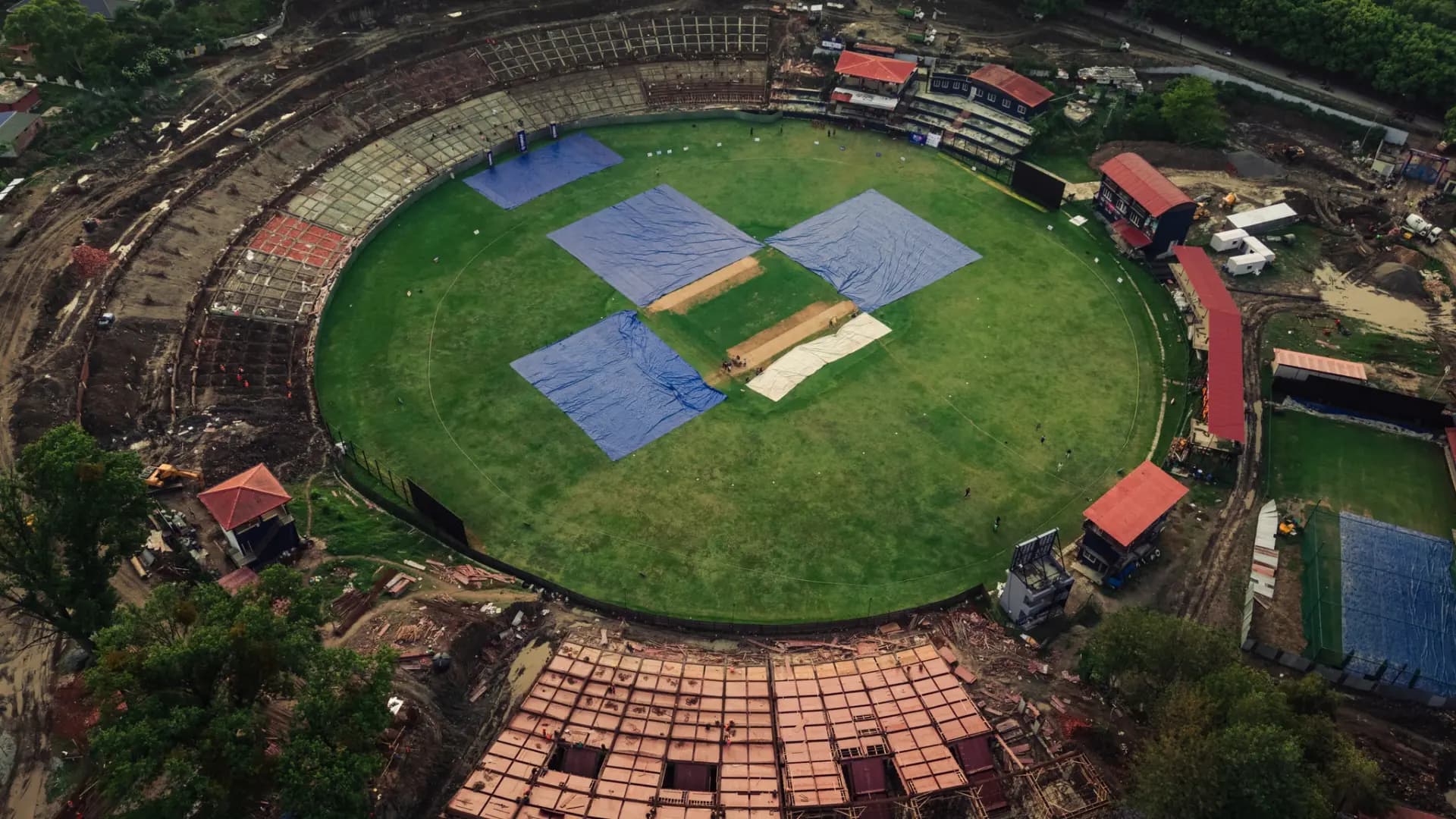
The future of the Tribhuvan University International Cricket Ground in Kirtipur has moved back toward clarity after Nepal's Cabinet decided on Monday, April 27, 2026 to proceed with a new lease arrangement for the venue.
The decision comes days after Tribhuvan University sent the Cricket Association of Nepal a 35-day notice to vacate the ground, citing the expiry of the existing agreement and a wider drive to reclaim university land. That notice had triggered concern across Nepal cricket, especially with the venue recently upgraded and now central to the country's international calendar.
But the latest signals from both the government and the university suggest the ground itself is not under threat. Government spokesperson and Education Minister Sasmit Pokharel said discussions had already been held with top university officials and that a fresh lease framework would be pursued. He also said the government had no intention of dismantling the existing stadium, which has already received major public investment.
Tribhuvan University has struck a similar tone on the structure itself, while drawing a firmer line on process. Registrar Kedar Rizal said the university will now discuss the future operating model only with the Government of Nepal, not directly with CAN. He stressed that the stadium would not be demolished and said the focus was on how to preserve and manage it in a way that does not disrupt academic activity.

That distinction is important. TU appears open to a renewed operating arrangement for the current ground, but is reluctant about the proposed second phase of expansion under the larger master plan. University officials have raised concerns over how further expansion could affect academic spaces, student movement, security and research activity within the campus, particularly around nearby university buildings, hostels and medical facilities.
The issue has become more sensitive because of the scale of state investment already made at the venue. Recent upgrades, including parapet construction and floodlights, have turned TU into Nepal's flagship international cricket venue. The wider master plan to develop an international-standard stadium has also been discussed at government level, making the lease dispute more than just an administrative matter.
CAN, for its part, remains confident that the agreement will be renewed. Spokesperson Chhumbi Lama said the association had received the university's letter but believed a positive outcome would follow. He noted that the ground is not only crucial to Nepal cricket emotionally and historically, but also one of the country's most important ICC-recognised venues, with further events depending on long-term certainty.
For now, the emerging message is less about eviction than about control and future structure. TU wants the next phase to be handled state-to-state, with the university and government deciding the long-term model together. The government, meanwhile, appears keen to keep the venue functioning and formally extend the arrangement.
That leaves room for a negotiated middle path, one that protects TU's academic interests while keeping Nepal's most important cricket ground alive as a national sporting asset.