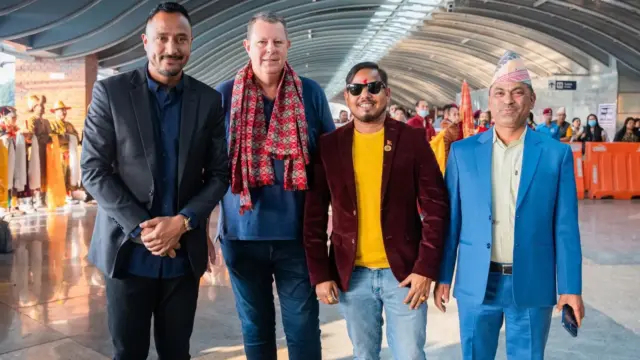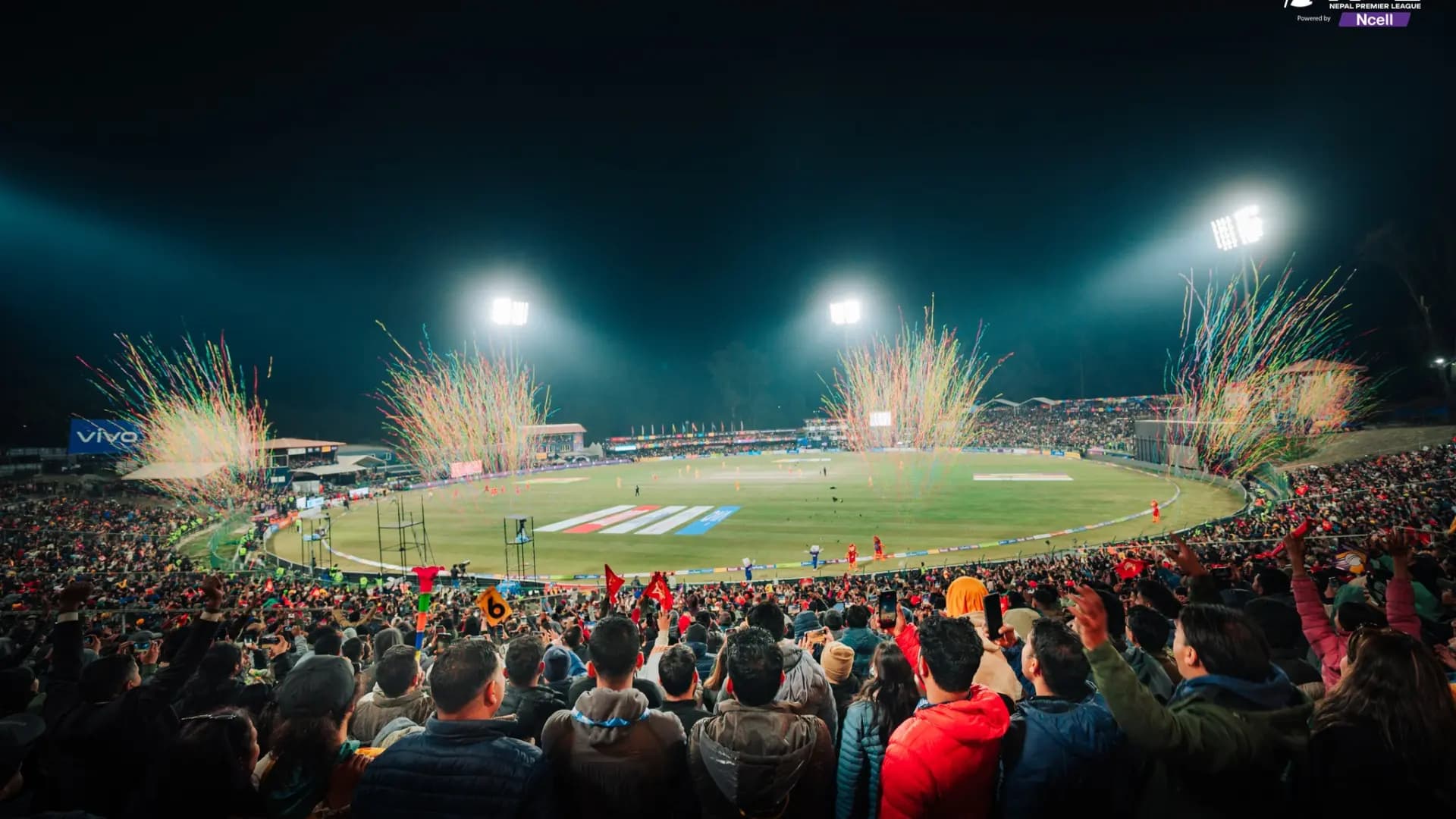
Cricket Association of Nepal secretary Paras Khadka says he is confident the Nepal Premier League will receive ICC sanction in time for season three, which starts in Kirtipur on 26 October. The paperwork has been filed, he says, the responses have been positive, and the letter is expected within days. What he cannot say yet is that it has arrived.
That gap matters, because the third season has been built on the assumption the letter will come. So it is worth setting out what the sanction actually covers, and what a refusal, or a delay past the first ball, would cost.
What ICC sanction is, and why the NPL needs it
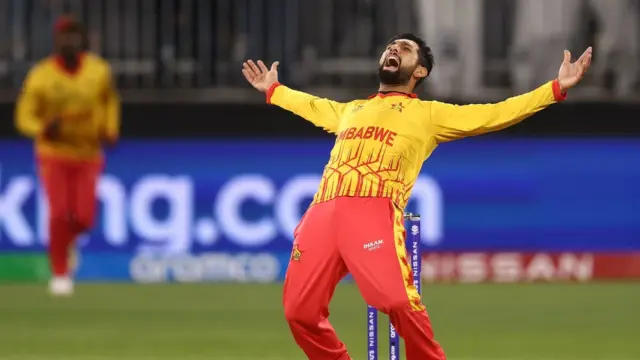
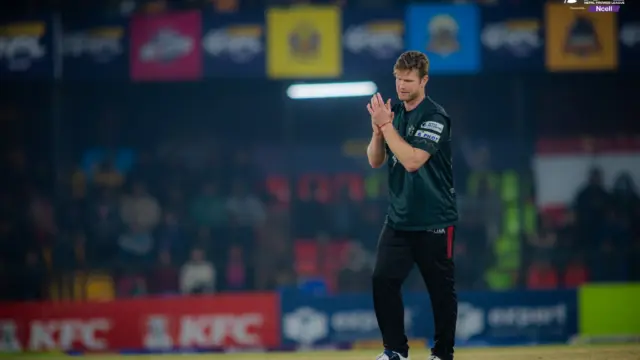
Under the ICC's Regulations on the Sanctioning of Events, a domestic event staged in the territory of an Associate Member needs ICC sanction on top of its own board's approval once it involves more than four current or former players from Full Member countries, counting anyone who has played for their national side in the previous 24 months. Nepal is an Associate Member, and season three is nowhere near that threshold: David Warner, Shakib Al Hasan, Sikandar Raza, Jimmy Neesham, Charith Asalanka, KS Bharat and Niroshan Dickwella are among the overseas names attached to the eight franchises.

The conditions attached are not trivial. The home board has to underwrite and guarantee all player payments. Anti-corruption measures have to be in place and sufficient to protect the integrity of the event. The application is meant to reach the ICC at least three months before the first match, with supporting documentation, and member boards are expected to have run due diligence on the organisers and promoters. The ICC also keeps the right to withdraw a sanction before the first match if circumstances change materially.
Scenario one: the league goes ahead without sanction
The immediate exposure is on the overseas contracts. Every foreign player needs a No Objection Certificate from their home board before playing abroad, and the sanctioning regulations place an obligation on member boards to act against players who turn out in events the ICC has not approved. A board that has been happy to clear a player for a sanctioned league has a reason to withhold that clearance for one that is not.
For the NPL, that is the difference between the season it has sold and a different tournament. Warner's signing by Kathmandu Gorkhas was the headline act of the build-up. Domestic TV rights sit with Himalaya Television Network and worldwide OTT with NetTV, and both were bought against a field that includes current internationals. The franchises have not waited for the letter. Warner was announced on 15 September, and Shakib, Raza, Neesham, Asalanka, Bharat and Dickwella were all signed before the ICC had ruled, which means the risk sits on contracts already made rather than on deals still to come.

Scenario two: no official T20 or List A status
Sanction and status are related but not identical. Sanction is permission to stage the event with those players in it. Official T20 status is recognition that the matches count, which is what puts runs, wickets and catches into a player's career record. The first two NPL seasons did not have it, and nothing from those editions appears in official career figures.
A third uncounted season has a longer tail than it looks. It keeps Nepal's best-paid, best-watched domestic competition outside the statistical record that scouts, franchises and selectors elsewhere actually read. It weakens the case Khadka says the Cricket Association of Nepal wants to make, that the country's premier domestic T20 should be presented as a T20-status competition. And it leaves a strange asymmetry in which a Nepal player's most significant domestic innings of the year formally never happened.

The ICC had indicated that full structural sanctioning and official T20 status were planned for season three, after an assessment of the second season's success and governance. That is the basis for Khadka's confidence. It is not the same as the decision being made.
What else moves if the letter does not come
The DRS question rides on the same wire. Khadka has said the Cricket Association of Nepal has tested systems from two suppliers and is in favour of using one if it is reliable, but that integration depends on the broadcast production being finalised, and that it comes down to cost. A season that loses its marquee overseas players loses broadcast and sponsorship value, and a first-ever DRS deployment is the sort of line item that goes first when the revenue assumption changes.
There is also a timing problem that no amount of positive messaging solves. The regulations ask for three months' notice. Season three starts on 26 October. A sanction that arrives in the last week before the tournament leaves franchises no room to replace an overseas player whose board declines the NOC, and leaves the ICC's own withdrawal clause live right up to the first match.
What to watch
Three things, in order. Whether the sanction letter is made public rather than described. Whether the overseas names already announced are all cleared by their home boards once the position is settled. And whether the ICC grants status alongside sanction, or sanctions the event and leaves the records question for a fourth season. Khadka is positive on the first. The second and third are the ones that decide what season three is worth.